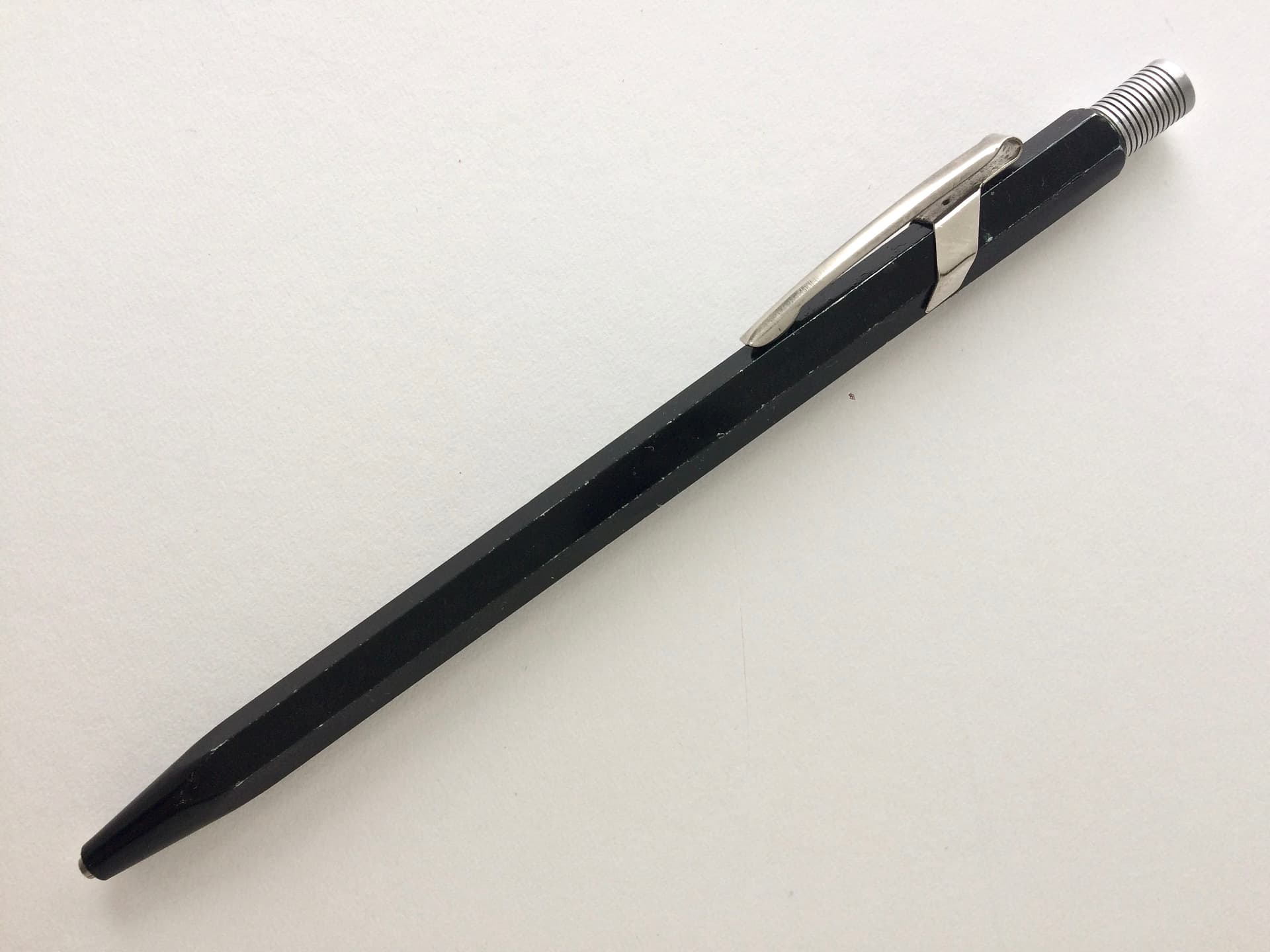
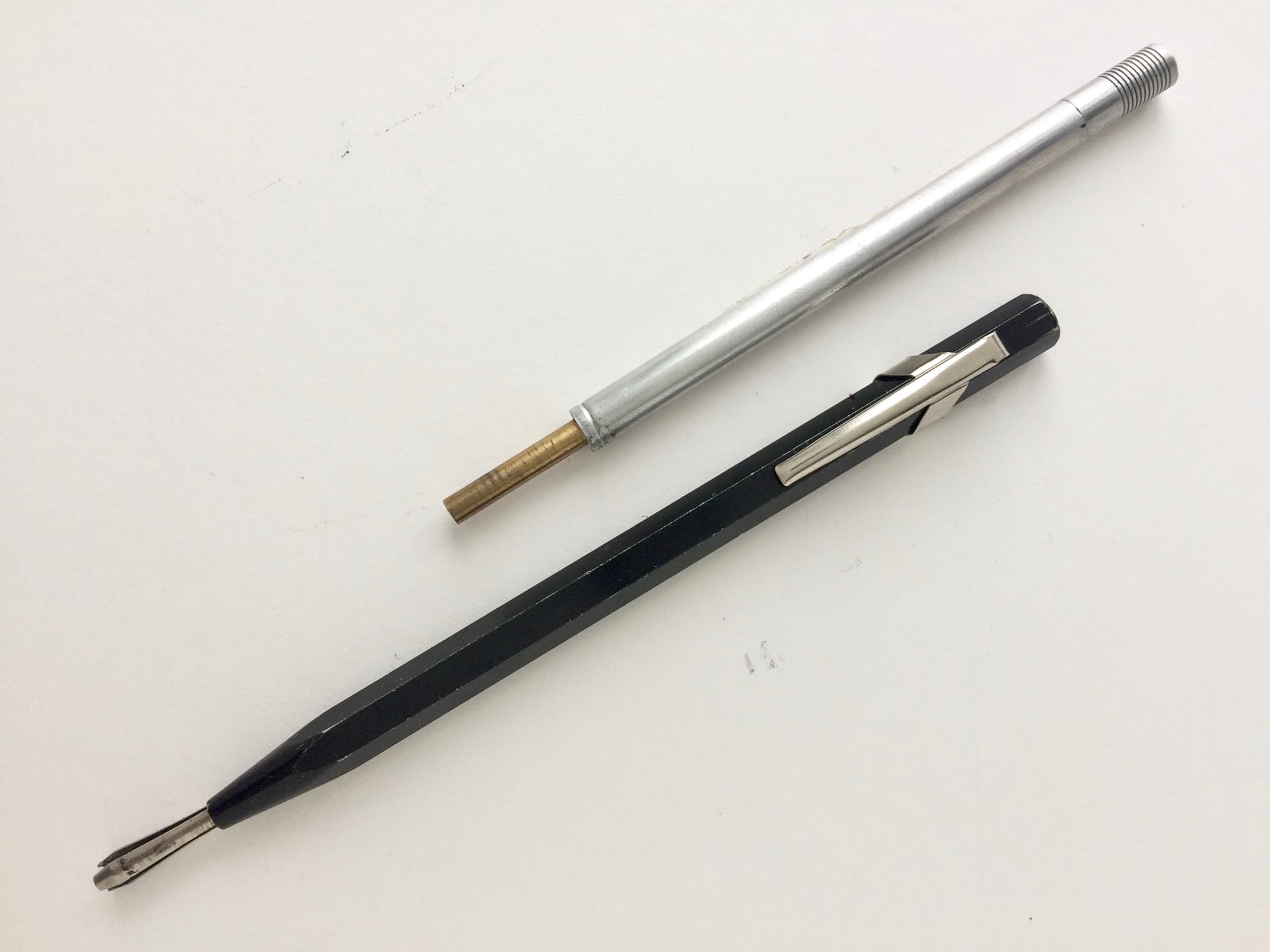
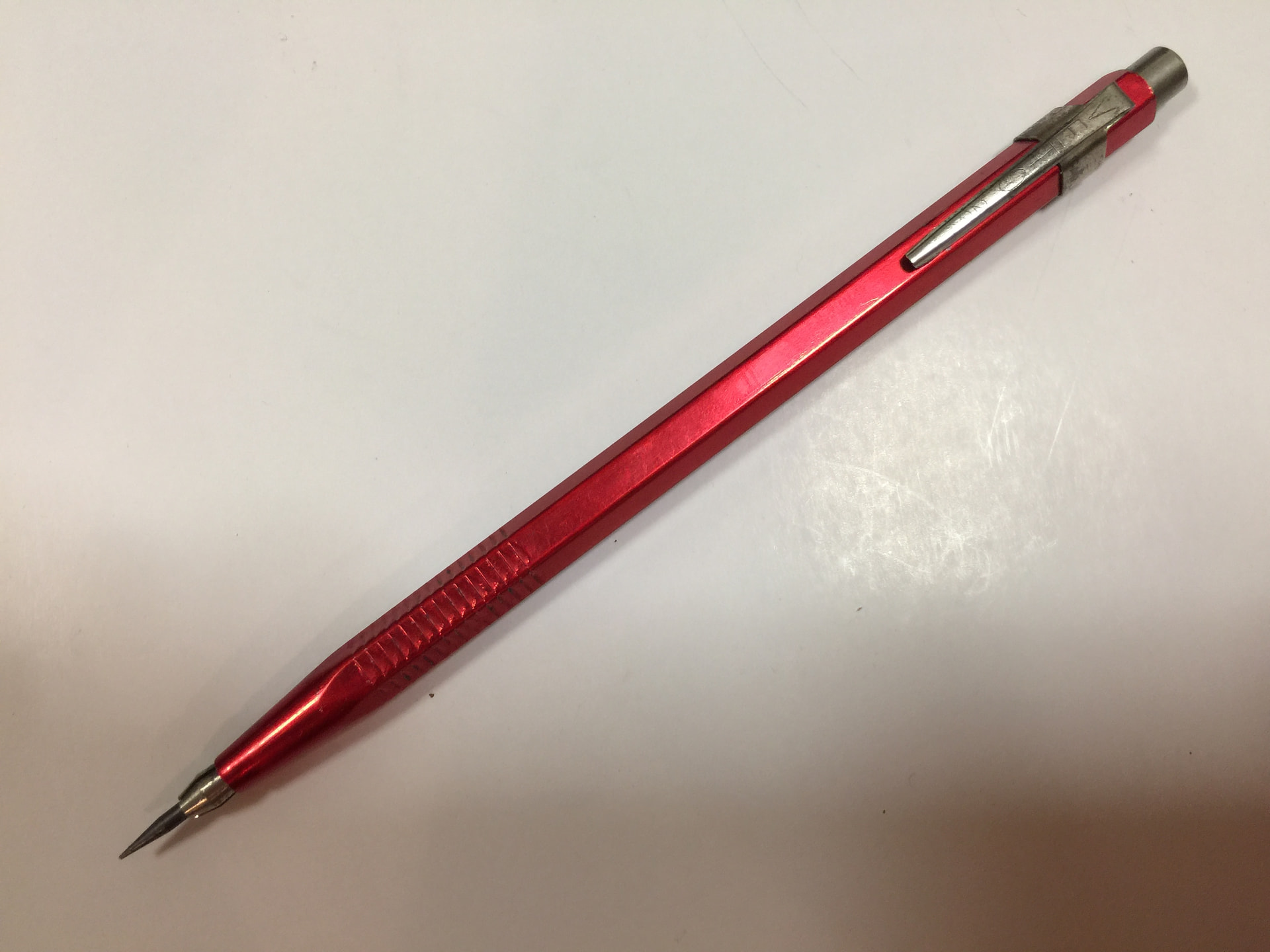
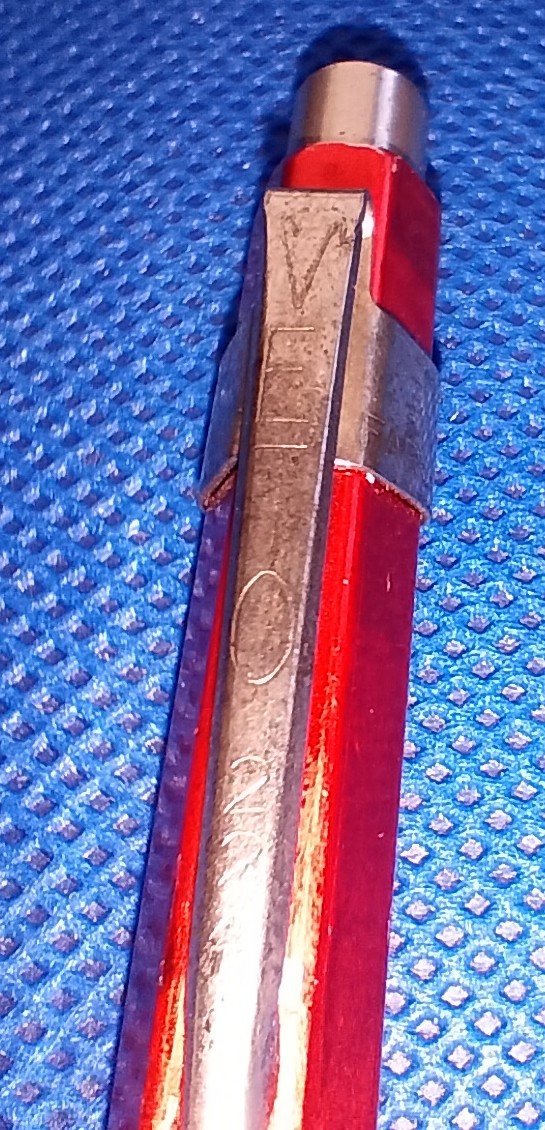
It’s a VETO 224 made by Baignol & Farjon, France. There’s no imprint on the barrel, everything is/was on the clip. So watch out for unmarked ones without a clip! You might have to search for “trouvaille de grenier”. And BTW, the spring lead tube works really well but it must’ve cost a mint to make.
Looking back through previous bogs and photos I see that @TheGoodPhite has already featured this very same leadholder but dressed in blue and with a clip in nicer condition than mine. Edd also gave a comprehensive and informative description on Baignol & Farjon. French Collections - #26 by TheGoodPhite
Unbranded vintage criterium I got from France, with a few peculiarities like a machined pushbutton, large lead tube and a trapped clutch, you cannot remove it.
I get that “mechanical pencils” in France are often simply called “criterium” ( criteria??), so with this interesting piece seeming to be metal ( scuffs along the facet edges?), I would not think it was made by anyone who actually made the brand “Criterium”… painted metal was not their go-to, all of the black ones I know are plastic. I might be wrong on two scores: this is plastic or Criterium did have painted black meta modelsl…or ??
It’s fully metallic. It could be from any of the several French manufacturers that were making pencils based on the original Caran D’Ache design — but most likely by Fabrique Gilbert, who invented the embrayage pencil..
A very cool interloper in the discussion is the “SESAME Tecnic 824”…superior build quality, very nicely detailed within that realm…and not too common. Sales pieces for them are often on French eBay ..oooh la…
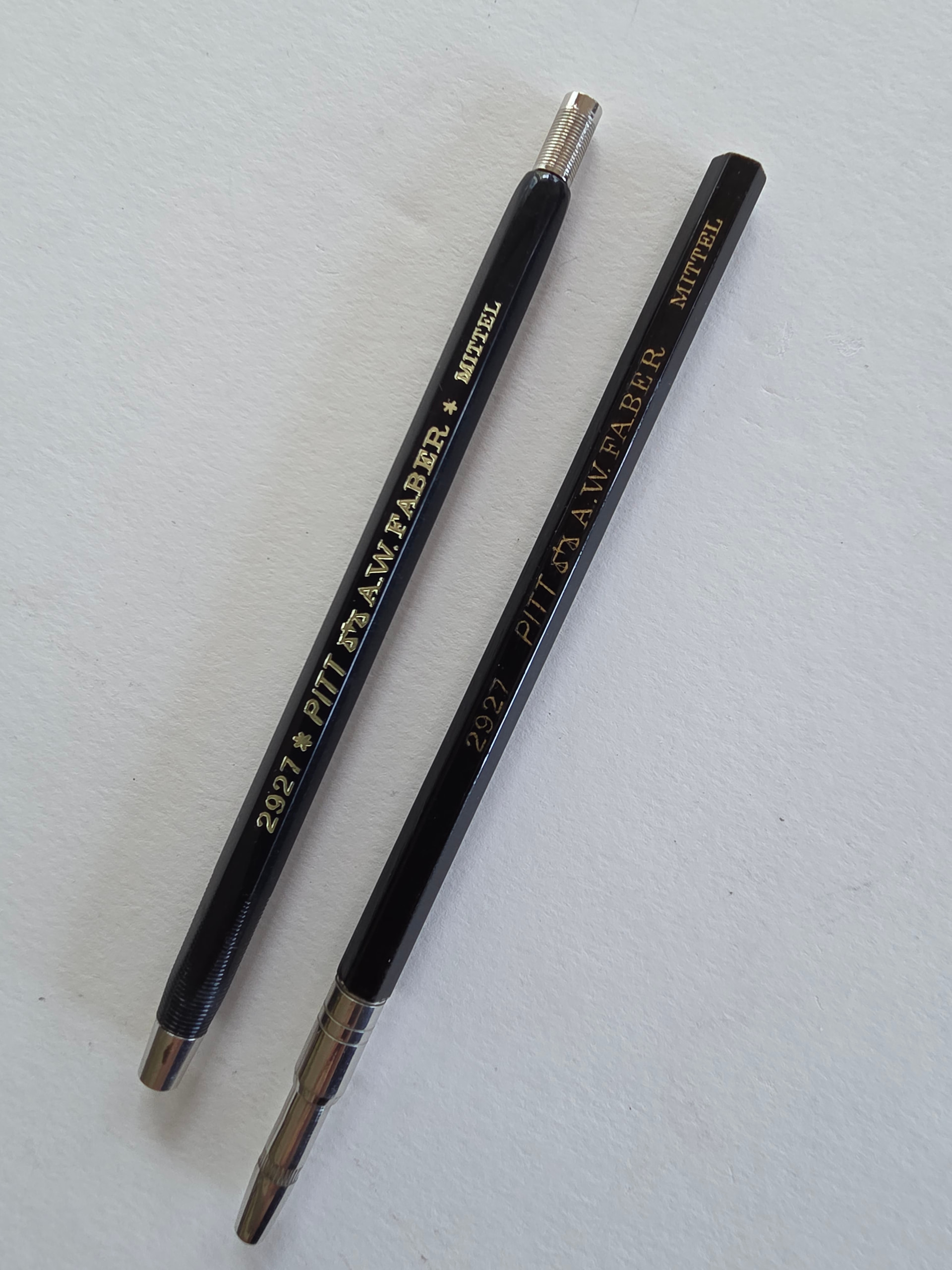
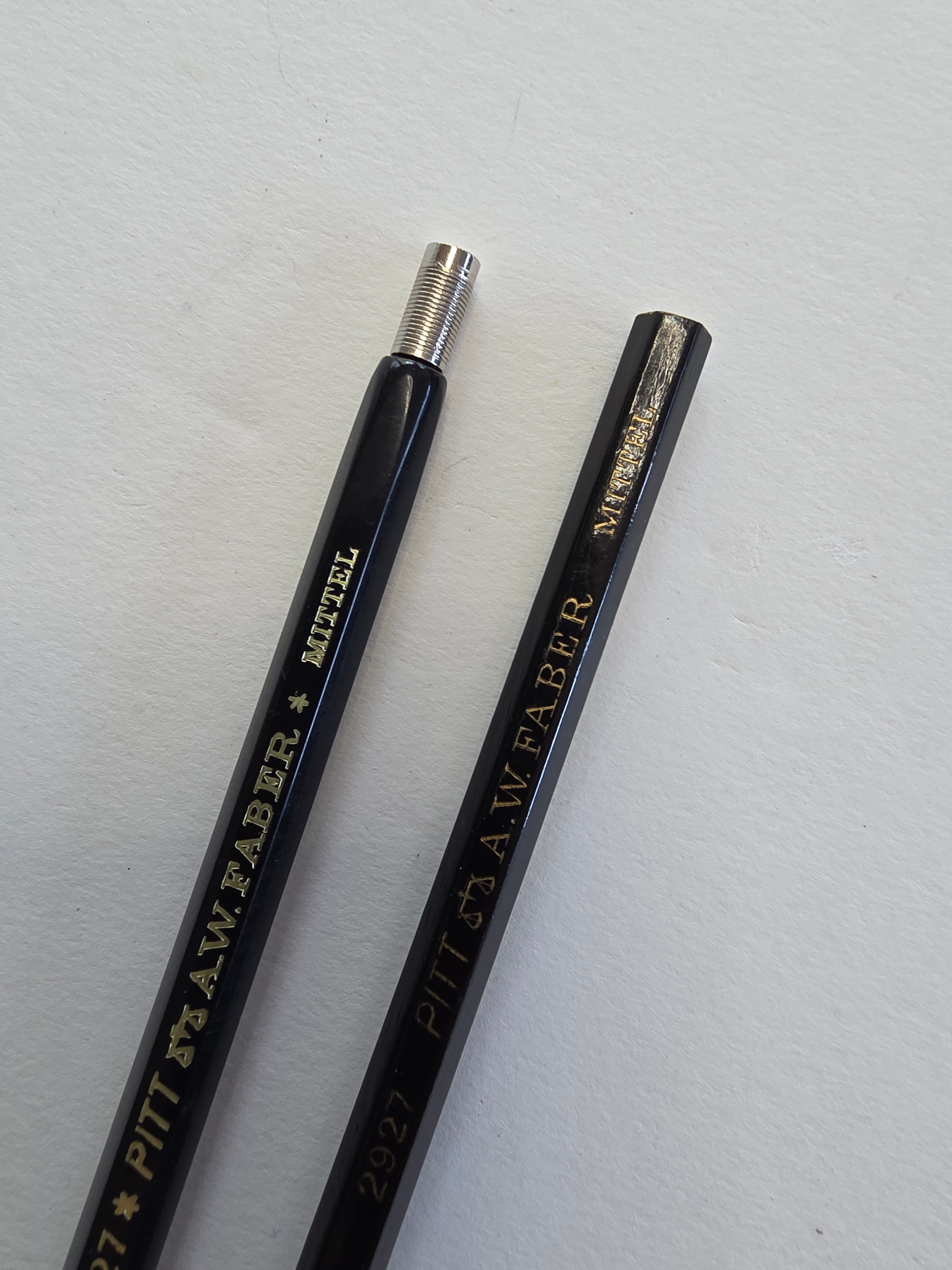
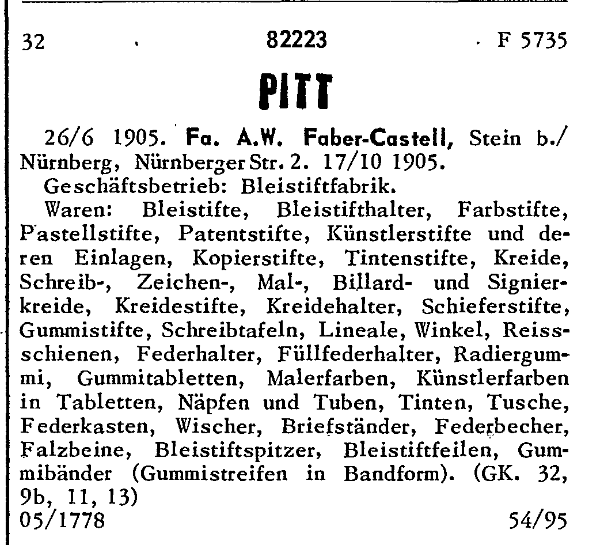
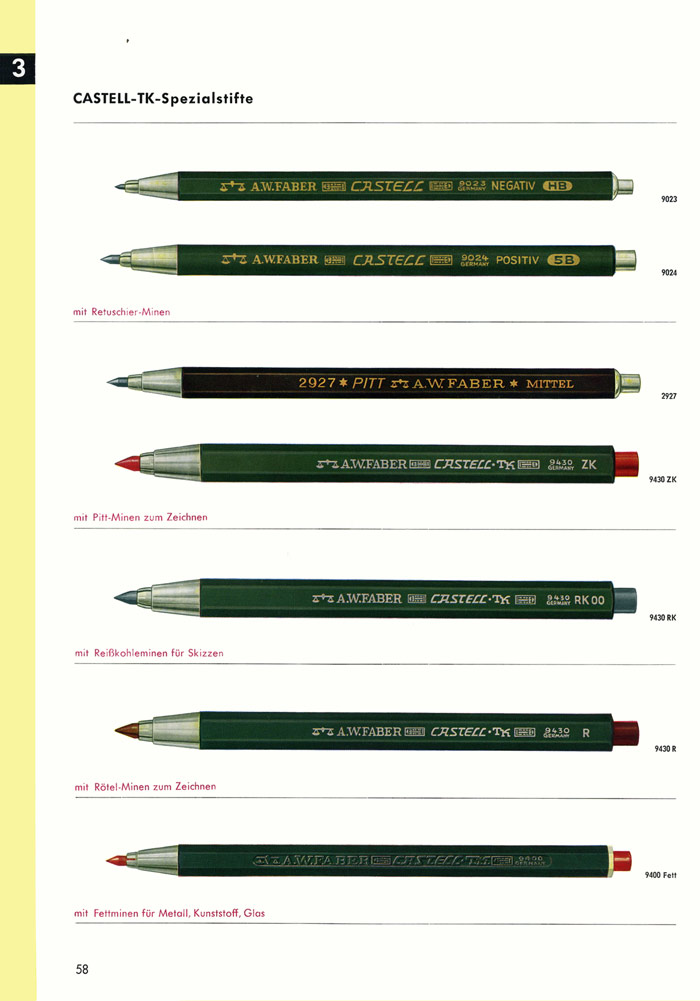
2927 * PITT A.W. FABER * WEICH
Has anyone seen or known about this beast?
It’s very unusual in that it doesn’t have “Castell” or “TK” or “Germany” on the barrel but it does carry the original 3mm charcoal/graphite lead which is embossed with “Made in Germany”. The imprint looks silver in my image but it’s gold.
My thoughts currently are that it looks like a 1950s model despite the pre-Castell naming suggesting it’s pre 1931.
Pitt was originally Faber’s name for their monochrome (especially charcoal) artists’ range, apparently derived from the Italian “pittore” (painter/artist)
“Weich” is German for soft, which refers to the grade of compressed charcoal inside. The lack of Castell or TK is not unusual, even for the 1950s/60s, as this was not part of their technical drawing range. See this thread for the meaning of TK (aka Teka-):
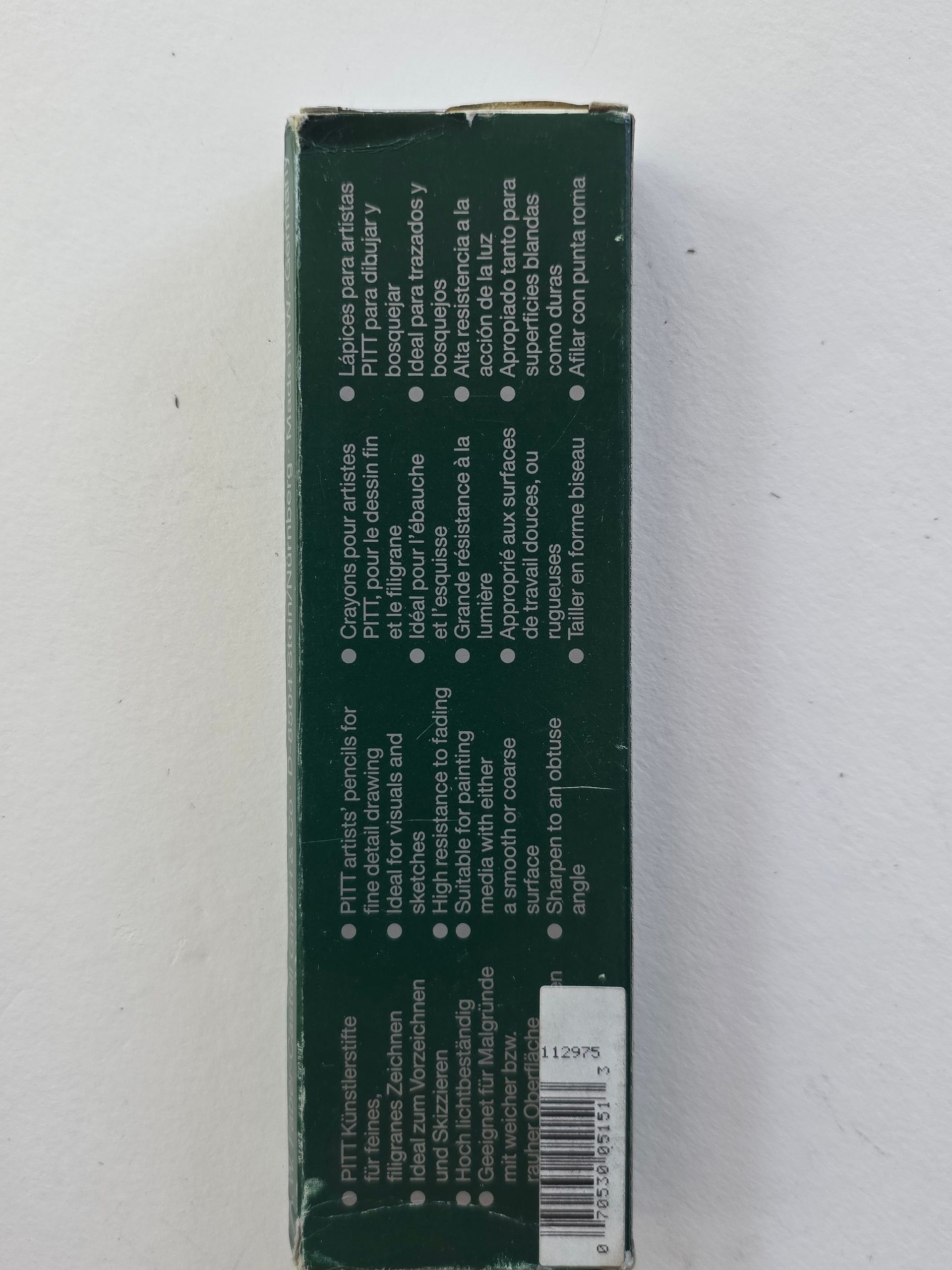
They still have the PITT line in soft, medium and hard but in a woodcased pencil. The lead is probably compressed mineral charcoal mixed with some sort of oil binder.
It is similar to the famous carrés from Conté.
Edit: apparently there’s also Extra Hard ans Extra Soft grades in the PITT Oil Base line
Yes, they are all very nice. Charcoal pencils are very difficult to sharpen. PITT Pastel (that’s the colour pencil line) are hard to sharpen as well, the tip keeps breaking in the process. Pastel pencils have magnificent colouring properties but I find them an headache, so I usually work with the Faber-Castell Polychromos. Stabilo Carbothello are generally considered the best pastel pencils for professional artwork. They come with a special sharpener that is supposed to make your life easier. Gotta try those someday.
The PITT Oil Base pencils are what is commonly called “carbon pencils” with the advantage that they can be sharpened normally or to perfection with a “crank” pointer. I’ve used a good number of them in live model art classes but I have to confess that I prefer the vintage Wolff’s Carbon pencils (harder to find and more expensive) or the locally produced Soft Carbon from Viarco simply because the PITT Oil Base are not as dark as Wolff’s or Viarcos which are both pitch black. Viarcos sell here for 10 Euros (Packs of 6) so it’s the reasonable choice here. They are more brittle than PITTs though. So I’d say all these pencils are at the same level but for different reasons.
Thanks heaps folks, what an amazing drinking club this is! Definitely the right place to ask a question or two with this wealth of knowledge.
Cheers Allan
My kids use Polychromos and they produce loads of art with them. They attend Waldorf schools and Polychromos is the standard at school. They are excellent pencils. They sharpen very well and the color range is extensive. However, colored pencil drawings, including Polychromos, tend to be a bit flat and dull on the page. Your comment about the vibrant pastel Stabilos has me thinking that I should give my kids the brighter experience of pastels as a side-road they can engage.
There’s also Caran D’Ache Luminance, they are normal coloured pencils but supposedly have extra stuff to retain the brightness of the pigments. Downside, they are expensive. Never tried them.
Derwent: top of the line there is the Lightfast range, 100 colours, expensive, they come in very nice sets, but like the Polychromos they look a bit dull on the page. I’ve found that the Procolour range works better/brighter.

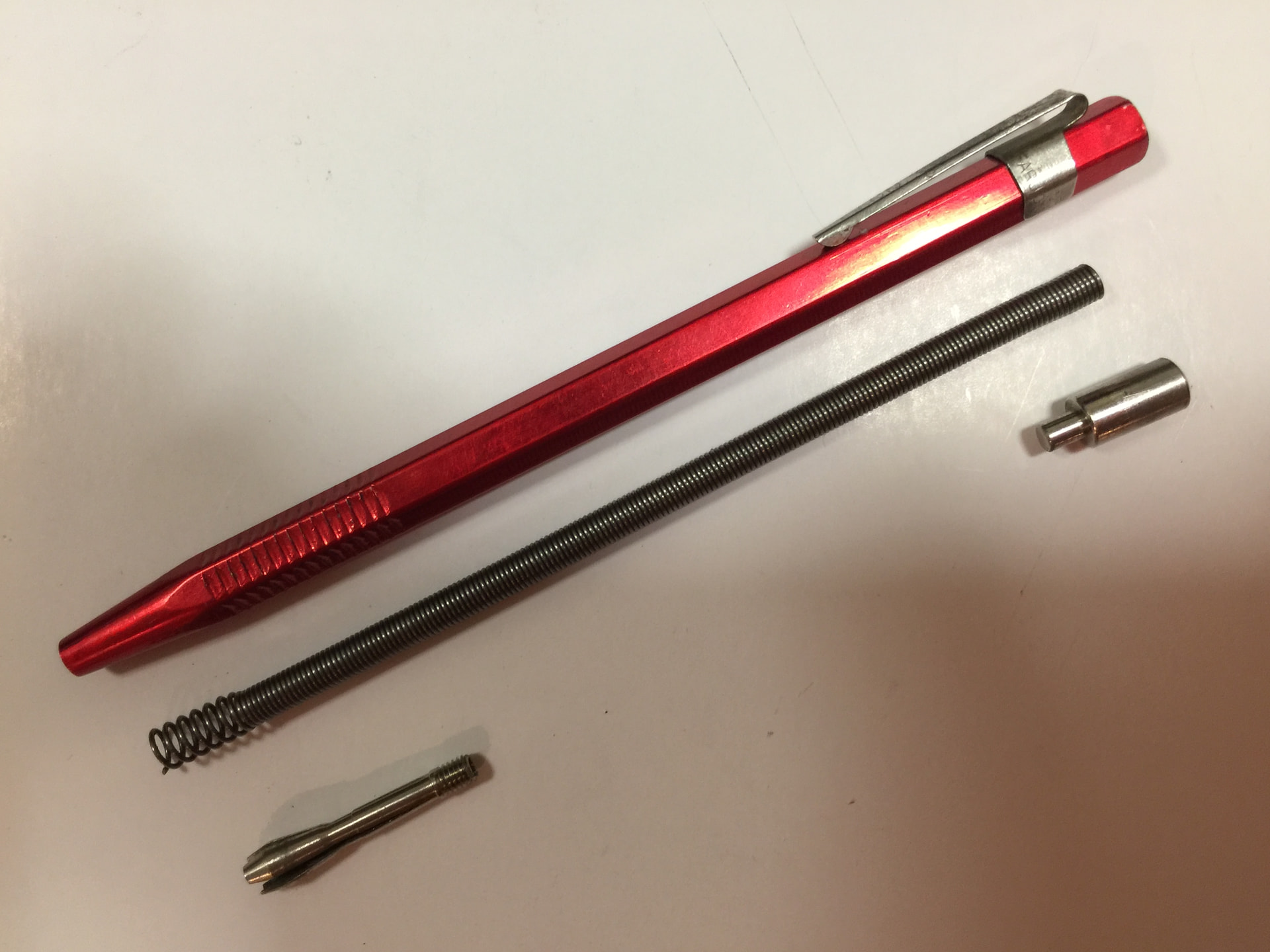

 ︎ ~11g