I am putting together a new Appendix Article covering Japanese Labels and Tags for Pentel Pencils prior to Barcode labels and tags.
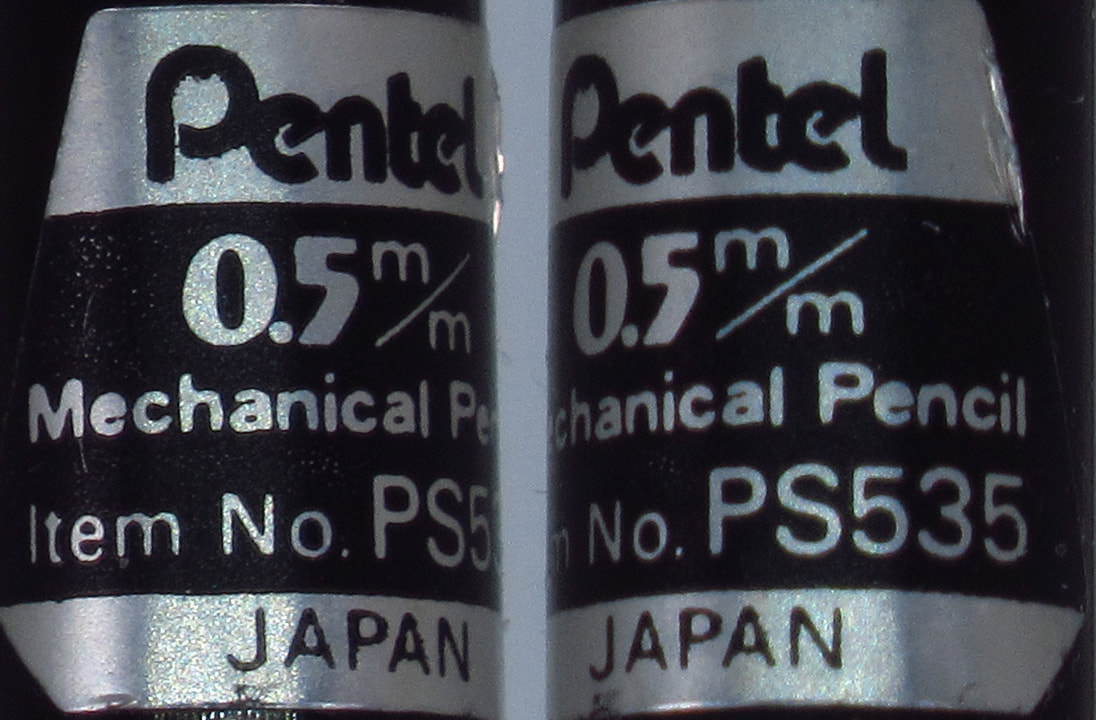
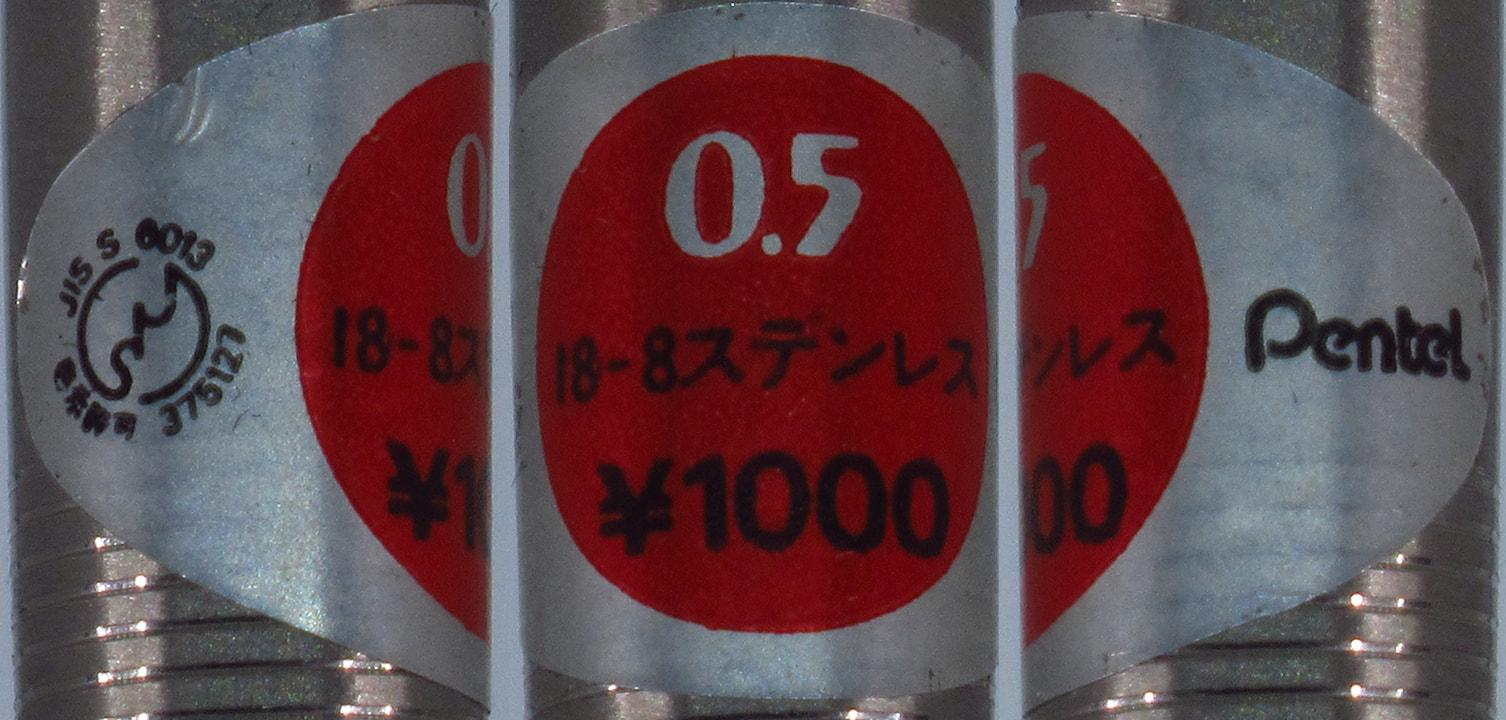
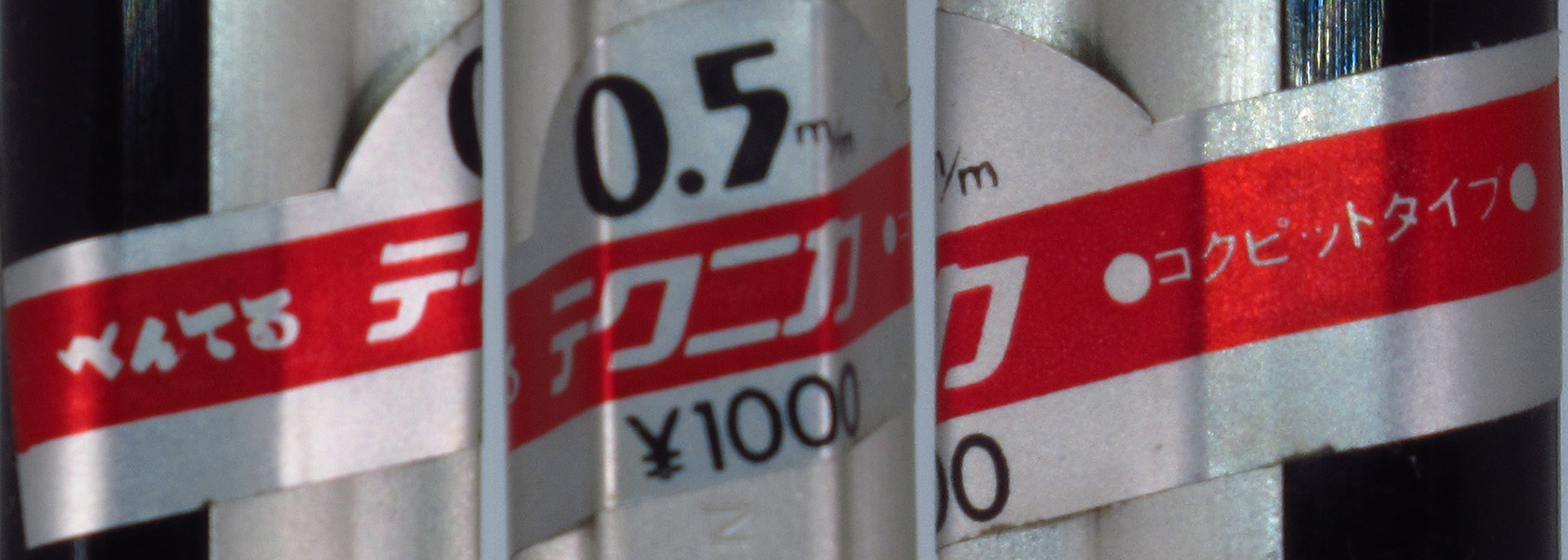
One thing is that there are some labels that wrap around a pencil, so you can’t get the whole thing in 1 shot. Some of these, such as the PD1055 label will have to be multiple shots to capture the whole thing since they wrap completely around the pencil, but others I have a question about.
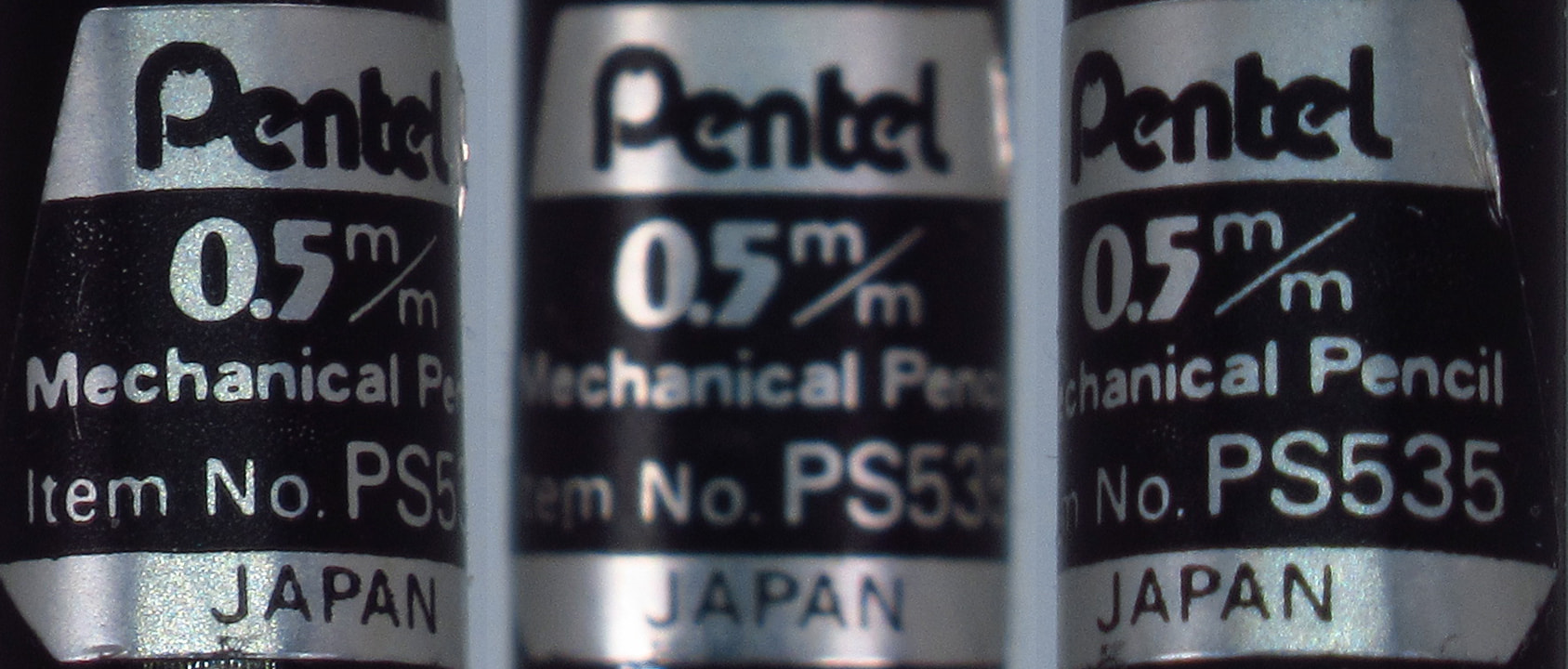
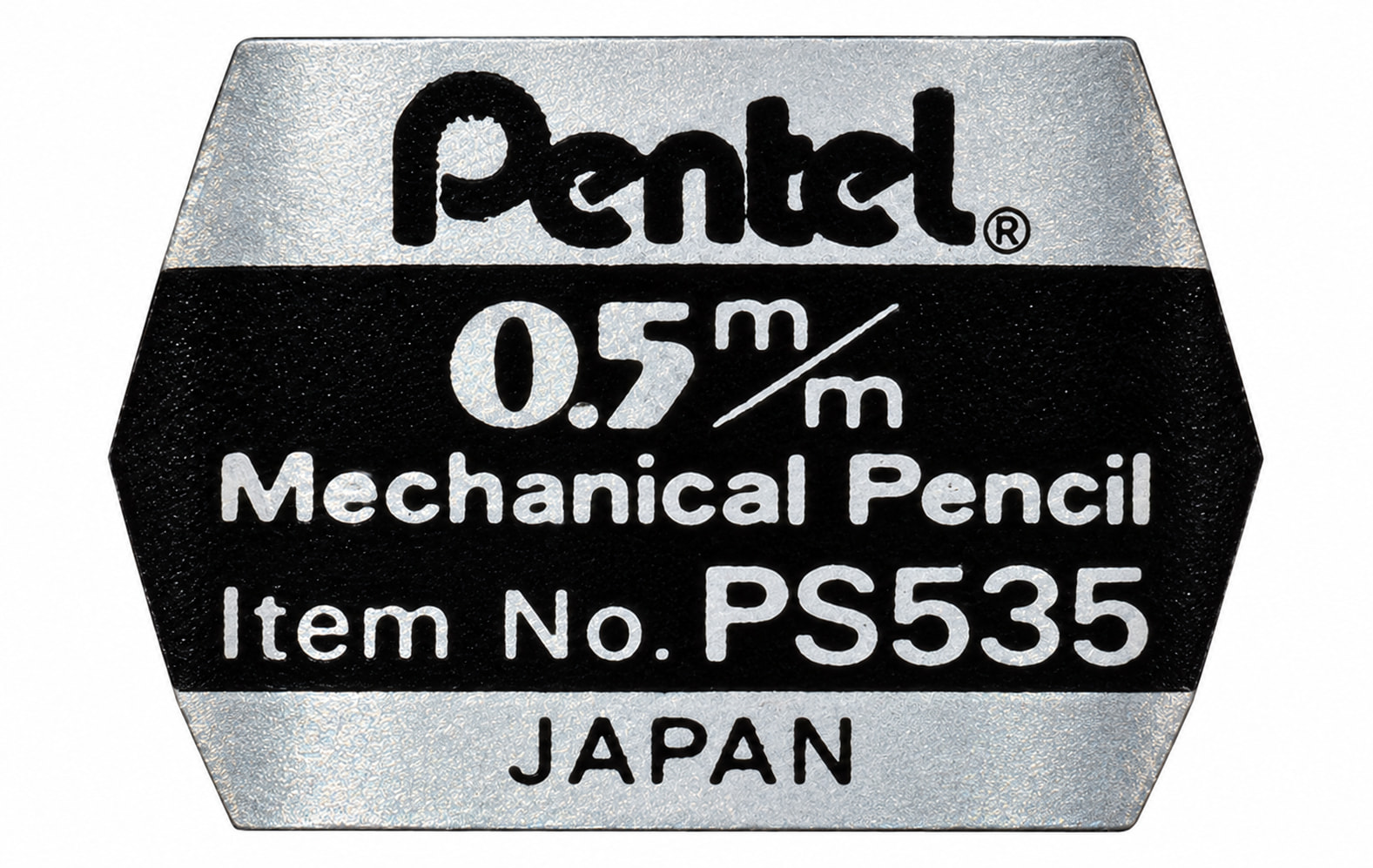
Here is an example: The PS535, which is a hexagonal sticker. I have 3 examples I could use, and I would like your thoughts on which one I should use.
First, just the front, single shot and stating that it is hexagonal.
The trouble with using readily available AI tools is that the resulting output is not based purely on the input imagery, but can be modified in numerous, difficult-to-quantify ways.
A glaring example in this instance is the addition of a registered trademark symbol after the Pentel logo. Why did the algorithm do this, and where did it source its information from?
This renders the final product worse than redundant, as it is actively misleading from a historical perspective. AI would do well to be trained on the old art teacher’s maxim: draw what you see, not what you think you see.
I like No.2 the most; the two shots still allow for a complete reconstruction of the full image in one’s brain, and the middle subject in No.3 is too out of focus to help — it distracts instead of drawing attention.
Decals are generally for decoration purposes and these definitely aren’t.
Labels I would say are the ones from the stationery stores, not the manufacturers.
Stickers are called seals in Japan, but since we are doing the article in English, I feel like we should just call them stickers, while acknowleging at the beginning that the Japanese call them seals. Just like how ‘‘mechanical pencil’’ is chosen over ‘‘sharp pencil’’ despite the latter is what the Japanese call MPs.
I agree on the ‘‘tags’’ part for non-adhesive attachments.